Introduction to Concealed Carry
Concealed carry involves keeping a firearm hidden on your person to ensure personal safety, a choice more individuals are making today. The practice has evolved significantly, reflecting changing societal norms and an increasing focus on personal security. Among the many tools available for this purpose, concealment belly bands have become popular due to their convenience and adaptability.
Recent data, such as a Pew Research report indicating that 30% of Americans own a firearm, underscores the widespread interest in effective concealed carry solutions. Understanding these tools becomes increasingly vital as more people consider their safety options.
Choosing the Right Concealed Carry Method
Selecting a concealed carry method depends on personal comfort and lifestyle. Popular options include Inside-Waistband (IWB) and Outside-Waistband (OWB) holsters, each offering different levels of accessibility and concealment. Other alternatives, like shoulder or ankle holsters, cater to specific needs, such as sitting comfort or lower-profile requirements.
Pros and Cons of Belly Band Holsters
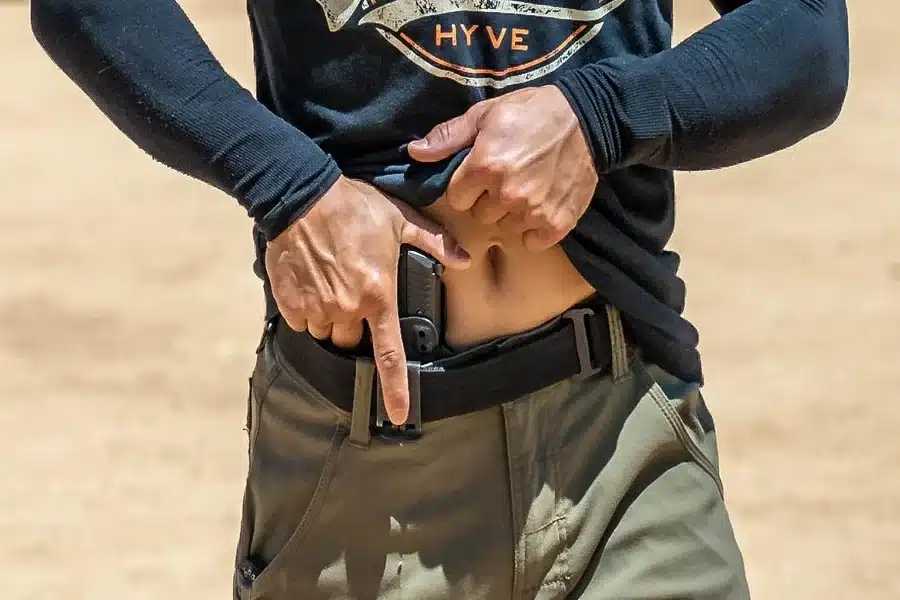
Belly band holsters are favored for their comfort and versatility. They fit snugly around the waist without a belt and offer significant flexibility for active individuals or varying wardrobe choices. However, their stability may vary with movement, affecting access speed and security in certain situations. Practicing regularly with your chosen setup is crucial to mitigate these drawbacks.
Everyday Concealed Carry Tips
An effective concealed carry strategy involves more than just choosing a holster. Clothing plays a key role in maintaining concealment. Opt for garments that naturally drape over the firearm, and consider the holster placement for comfort. Regular self-defense training is essential, bolstering competence and confidence in firearm handling.
Legal Considerations for Concealed Carry
Understanding legal regulations is essential for responsible carry. Laws vary by state, emphasizing the need to secure proper permits and remain aware of where firearms may be legally carried. Ethical considerations also come into play, necessitating informed decision-making and adherence to legal and moral standards.
Maintaining Comfort and Safety
A comfortable setup is vital to the concealed carry experience. Choose attire that complements your carry method and ensure your holster is adjusted to fit well. Being vigilant about concealment reduces the risk of accidental exposure and ensures readiness if needed. Continuous evaluation and adjustment are key to effective and safe carriage.
Common Questions About Concealed Carry
Many new carriers have concerns about concealment, legality, and societal perceptions. Engaging with an experienced community can provide insights and dispel myths, easing common worries. Sharing stories and advice helps newcomers navigate the concealed carry experience confidently.
Conclusion: Making the Right Choice for You
Integrating a firearm into daily life requires careful consideration and education. This guide provides a foundation for understanding the concealed carry landscape, empowering individuals to select the best options for their needs. A commitment to responsible ownership and continuous learning is critical to maintaining personal and community safety.