
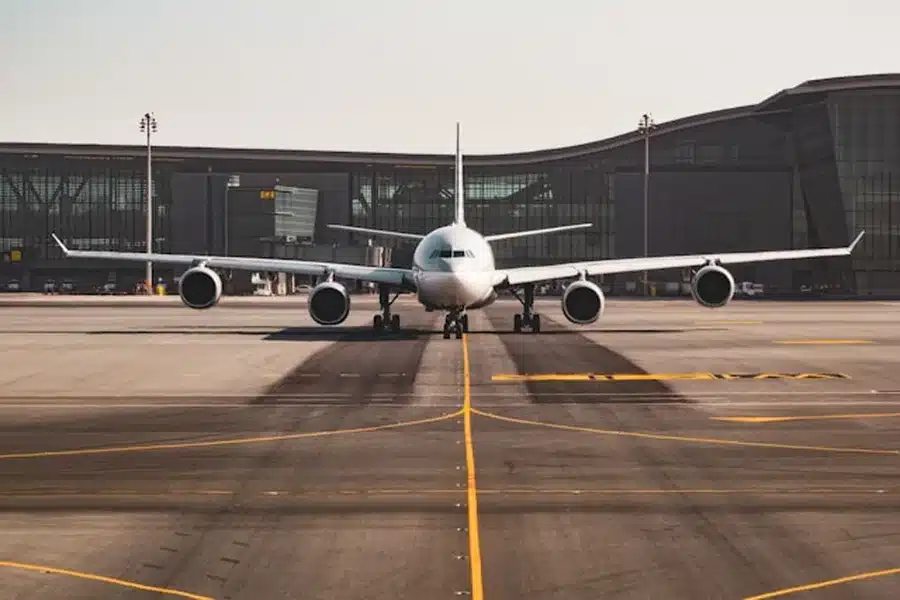
In aviation, safety and performance are critical. Built to the highest standards, aircraft and their supporting equipment reduce the chance of failure and enable flawless operations. Attaching these results depends much on high-reliability airplane equipment. From sophisticated parts running the aircraft to specialized tools like tugs facilitating ground handling, every component adds to the efficiency and safety of aviation operations. Advanced technologies include These technologies raise general cost-efficiency, safety, environmental performance, and operational capability of airlines as well as their capacity.
1. Increased Safety and Reduced Risk of Failure
The improvement of aviation system safety is one of the most significant advantages of employing high-reliability aircraft equipment. To guarantee that every component runs with ideal accuracy, airlines, and airports extensively spend on equipment that meets or exceeds industry requirements. Rigorously tested high-reliability equipment, including engines, flight instruments, and ground support machinery, helps to prevent breakdowns compromising safety. For ground operations, for instance, aircraft tugs have to be dependable if they are to maneuver aircraft properly. With its accuracy and environmentally friendly design, an electric aircraft tug helps guarantee safe, smooth operations on the tarmac, therefore lowering the danger of accidents resulting from malfunctioning or ineffective equipment. Such equipment’s dependability guards the aircraft, crew, passengers, and ground staff.
2. Enhanced Operational Efficiency
The direct contribution of high-reliability aircraft equipment to improved operational efficiency is When ground handling staff members and airlines can rely on their equipment, mechanical failures or maintenance problems generate far fewer delays. More effective operations follow from these smoother operations. Reliable ground equipment, for example, assists aircraft movements to remain on schedule, thereby organizing and timing departure and arrival processes. Furthermore, effective functioning of equipment helps to lower downtime and prolong aircraft lifetime. Airlines depend on durable systems, so by reducing the need for repairs or replacement, the operating flow stays unaltered, hence raising general productivity.
3. Lower Long-Term Maintenance Costs
Although highly reliable technology may have a larger initial cost, the long-term savings are indisputable. Good quality machinery usually requires fewer repairs and replacements, which reduces maintenance expenses. For airlines, this means fewer unscheduled maintenance inspections and fewer expenses for replacing or fixing worn-out machinery. The significant savings from lower maintenance requirements support a more profitable running of the company. This is especially true for ground support equipment, such as tugs. Airlines benefit from lower running expenses, less fuel consumption, and fewer maintenance needs compared to conventional, less dependable options by using electric aircraft tugs. Reducing the frequency of maintenance helps to lower the total cost of ownership, therefore enabling airlines to manage their resources more effectively.
4. Environmental Sustainability and Compliance
In the modern world, sustainability is a major factor in all spheres, and aviation is no exception. Particularly electric-powered machinery and high-reliable aircraft equipment help significantly to lower the environmental impact of aviation activities. Electric aircraft tugs, for example, are an excellent example of green technology. During operation, electric tugs produce zero pollutants, unlike their conventional, gasoline-powered equivalents. Airlines may lower their carbon footprint and enhance their whole environmental performance by including such environmentally friendly equipment in their fleets. Energy-efficient elements found in high-reliable equipment are usually in line with global sustainability targets and legal requirements. Reliable, sustainable equipment enables airlines to keep ahead of the rules and establish a good image as ethical business citizens as environmental issues get more important.
5. Improved Customer Experience
Apart from helping airlines and operators, high-reliable aircraft equipment is quite important in improving the passenger experience. Passenger frustration resulting from equipment breakdown can lead to delays, cancellations, and other disruptions, compromising an airline’s reputation. Airlines can lower the possibility of mechanical problems by purchasing premium, durable equipment, therefore improving the flying experience for customers. Perfectly running ground support equipment, including airplane tugs, guarantees fast turnaround times, therefore enhancing on-time departures and lowering passenger waiting times. Maintaining consumer satisfaction depends on effective operations; therefore, the constant performance of high-reliability equipment guarantees that customers go through fewer delays and more seamless flights, thus strengthening their confidence in the airline.
Conclusion
The advantages of using high-reliability aircraft equipment are clear. From improved operational efficiency and safety to lowered maintenance costs and environmental sustainability, these expenditures are vital for the contemporary aviation sector. While helping an airline’s environmental objectives, equipment such as electric aircraft tugs is essential in enhancing ground safety. As technology advances, the demand for high-quality, dependable equipment will only increase. In a competitive and often shifting sector, airlines are positioned for more success ultimately by combining dependability, efficiency, and sustainability.