
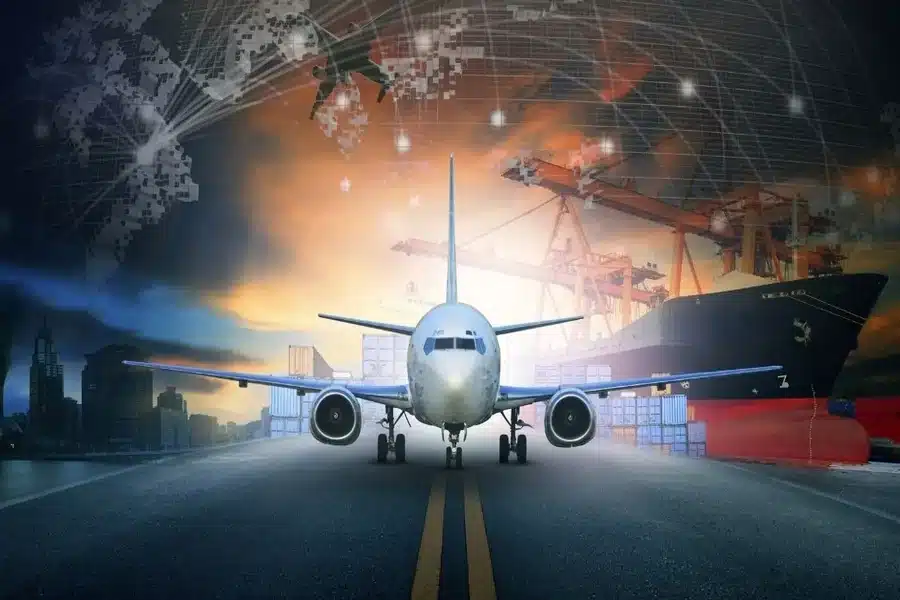
In the dynamic world of international trade, exporters are constantly seeking smarter, faster, and more reliable logistics solutions. Companies specializing in global freight, such as https://luftfracht-global.de/, have redefined the shipping experience with tailored door-to-port and door-to-door air freight services. These solutions streamline operations, reduce risks, and empower businesses to expand their reach with confidence.
The Growing Complexity of Global Trade
The international marketplace is no longer limited to large corporations. Small and medium-sized enterprises (SMEs) are increasingly venturing into global exports, driven by digital platforms and heightened consumer demand for foreign goods. However, this opportunity comes with challenges: complex customs regulations, fluctuating transport costs, supply chain disruptions, and the pressure to deliver goods faster than ever.
Exporters must balance speed, cost-efficiency, and reliability. Traditional freight forwarding models, which often required shippers to handle parts of the journey themselves, are becoming less viable in today’s competitive climate. This is where door-to-port and door-to-door air freight solutions step in as transformative alternatives.
Understanding Door-to-Port Air Freight
Door-to-port shipping means the freight provider collects cargo directly from the exporter’s warehouse and delivers it to the destination airport. From there, the consignee takes responsibility for customs clearance and onward distribution.
This option is ideal for:
- Exporters with trusted local partners who can manage customs clearance.
- Businesses entering new markets where local infrastructure is well-developed.
- Companies seeking cost control, as it offers flexibility without fully outsourcing last-mile logistics.
Door-to-port balances convenience with affordability, giving exporters assurance that their cargo safely reaches its international gateway without the stress of arranging domestic transport on their own.
Understanding Door-to-Door Air Freight
Door-to-door air freight offers an end-to-end logistics solution: from the exporter’s warehouse to the buyer’s final address. The freight provider manages the entire process, including customs clearance, documentation, and last-mile delivery.
This option is a game-changer for exporters because it:
- Removes complexity by outsourcing all logistics responsibilities.
- Ensures reliability with one accountable partner.
- Saves time and resources, allowing exporters to focus on production and sales rather than transport headaches.
Door-to-door services are especially valuable for high-value goods, urgent shipments, and e-commerce businesses where fast delivery is a competitive advantage.
Why These Models Are Transformative for Exporters
1. Speed and Efficiency
Air freight is already the fastest mode of cargo transport. When combined with door-to-port or door-to-door solutions, exporters eliminate time wasted on coordinating multiple transport providers. A single point of contact ensures seamless movement from warehouse to destination, drastically reducing lead times.
2. Cost Predictability
Exporters often face hidden costs in logistics: demurrage, delays, or unexpected customs charges. By choosing door-to-door services, most expenses are bundled into one transparent rate. Door-to-port solutions, meanwhile, give businesses control over last-mile costs by leveraging their own local partnerships.
3. Risk Mitigation
International shipping comes with inherent risks—lost cargo, customs delays, or miscommunication between carriers. With integrated air freight solutions, responsibility is centralized. Exporters have peace of mind knowing a dedicated logistics partner is managing every step of the journey.
4. Enhanced Customer Satisfaction
Global buyers expect fast, reliable delivery. By using door-to-door air freight, exporters can meet these expectations, which strengthens trust and long-term relationships. In competitive markets, logistics efficiency can be the differentiator that secures repeat business.
5. Flexibility for Diverse Needs
Every exporter has unique requirements. For some, handing over full responsibility to a logistics provider is essential. For others, maintaining some control over local delivery offers strategic advantages. The availability of both models allows businesses to adapt to their needs, shipment size, and destination market conditions.
Real-World Applications Across Industries
- Fashion and Textiles: Fast-moving collections require speed to stay ahead of trends. Door-to-door air freight ensures retailers receive seasonal goods on time.
- Electronics: High-value, fragile products benefit from the security and streamlined handling of air freight.
- Pharmaceuticals: Time-sensitive shipments demand not just speed but also strict compliance with regulations, which door-to-door providers can guarantee.
- Automotive Components: Just-in-time manufacturing models depend on predictable delivery, making door-to-port air freight highly valuable for flexibility.
- E-commerce: Cross-border online retailers rely heavily on door-to-door services to maintain delivery promises and customer satisfaction.
Overcoming Common Export Challenges
Customs Complexity
For many exporters, navigating customs is the most intimidating part of international trade. Mistakes in documentation or classification can lead to costly delays. Door-to-door services simplify this by including customs clearance in the package, ensuring compliance and minimizing disruptions.
Limited Local Knowledge
When entering new markets, exporters may lack connections with local agents. Door-to-port offers a middle ground, while door-to-door eliminates this issue altogether by managing the last mile with trusted networks.
Supply Chain Disruptions
In an era of geopolitical uncertainty, labor strikes, and global health crises, exporters must prepare for disruptions. Air freight solutions provide resilience by offering alternative routes, faster adjustments, and contingency planning.
Sustainability Considerations
Although air freight has a higher carbon footprint compared to ocean shipping, efficiency-focused solutions can mitigate environmental impact. By reducing delays, avoiding unnecessary storage, and optimizing routes, integrated air freight services contribute to a more sustainable logistics chain. Moreover, many providers are investing in carbon offset programs and fuel-efficient technologies.
How Exporters Can Choose the Right Model
When deciding between door-to-port and door-to-door air freight, exporters should consider:
- Shipment volume and value: High-value or sensitive goods often justify door-to-door solutions.
- Buyer capabilities: If the importer can handle customs and local transport, door-to-port may suffice.
- Cost sensitivity: Businesses seeking to optimize expenses may prefer the flexibility of door-to-port.
- Market experience: New entrants benefit from the simplicity of door-to-door, while experienced exporters may choose hybrid approaches.
The Future of Air Freight for Exporters
The demand for integrated logistics solutions will continue to rise as globalization deepens and digital trade expands. Exporters are no longer simply moving goods; they are competing on speed, reliability, and customer satisfaction. Door-to-port and door-to-door air freight models position them to thrive in this evolving landscape.
Technology will further enhance these solutions. Real-time tracking, predictive analytics, and AI-driven logistics planning will make air freight even more efficient and transparent. Exporters who embrace these services early will gain a strategic advantage in global markets.
Conclusion
Door-to-port and door-to-door air freight solutions are more than logistical options—they are strategic enablers for exporters. By providing speed, efficiency, and reliability, they help businesses overcome traditional barriers to global trade. Whether an exporter is looking to maintain flexibility with door-to-port services or ensure complete peace of mind with door-to-door shipping, these models deliver the competitive edge required in today’s fast-paced market.