
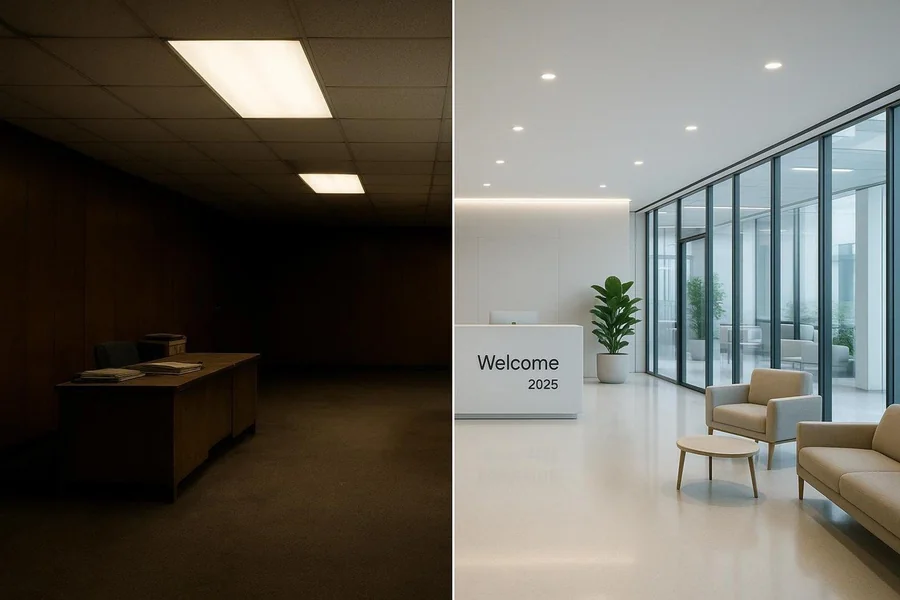
Starting a commercial renovation is a big step. It can bring strong returns, but it also comes with real challenges. This work is about more than looks. You’re turning an older space into one that works well, looks good, and makes money.
To get the best outcome, you need careful planning and smart choices. Know what you want, learn what is practical, and bring together the right team to build it. If you need a dependable construction company in NYC to handle this process, consider experienced pros who focus on careful work and clear results.
Upgrading a commercial space can raise property value, improve how the space works, and refresh its look. But without good guidance, it’s easy to make mistakes that slow the job and hurt your budget. This article will cover the key points to review before any work begins.
Making Smart Choices Before Renovating Your Business Property
Review Key Factors and Reduce Possible Risks
Before you start, take a hard look at the basics. Check the age and current condition of the building, any structural limits, and whether a historic label could restrict changes. This early checkup is the foundation for your plan. It shows what is realistic and what may need a different approach.
Also think about how construction will affect daily work, customer access, and employee flow. A worn-out space can signal neglect to customers, even if your products or services are great. Scuffed floors, chipped paint, and old fixtures do more than hurt appearance-they can reduce foot traffic and sales. Catch these issues early and build a clear, smart plan to fix them before they hurt your business.
Get Expert Help for Larger Projects
Big changes—like moving walls or adding space—need more skill than a simple refresh. Work with experienced commercial contractors such as Nova Construction Services. They can guide the process, share local insights, give accurate estimates, suggest cost-saving design ideas, and deliver a strong final result.
Their input also helps you tell the difference between a renovation (updating finishes without changing structure) and a remodel (changing how the space functions). That choice affects permits, budget, and schedule.
Define Your Renovation Objectives and Scope
Clarify Business Goals for the Renovation
Start by setting clear goals. Without a clear target, the project can drift. Do you want higher property value, better tenants, lower energy bills, or more room for a growing team? Each goal calls for a different plan and affects every other decision. If you want a new type of tenant, you may need to change how the space works, not just how it looks.
Solid goals keep you focused and connect the work to your long-term plans. Your goals will shape the design, budget, and timeline so each dollar supports what matters most.
Identify Areas That Need Upgrades or Repairs
Once your goals are set, do a thorough walk-through. Look for structural problems, outdated systems (HVAC, electrical, plumbing), and spaces that no longer fit your needs. Also note the cosmetic issues that need a refresh. Signs include scuffed floors, chipped paint, worn fixtures, and repeated maintenance calls that show a larger fix is needed.
Fix the basics first-leaks, unsafe wiring, and similar issues-before updating finishes. Tackling these problems early prevents bigger, more costly repairs later. A detailed review helps you build a clear scope of work from the start.
Decide What You Want Tenants or Customers to Experience
This project affects everyone who uses the space. If foot traffic or sales are dropping, a dated space may be part of the problem. People prefer clean, bright, modern rooms. A renovation can reset the mood, attract more interest, and improve customer experience, which helps your brand.
For properties with tenants, upgrades can raise satisfaction and reduce turnover, which helps rental income. Updates that work well and look current make a real difference. Think about how the space supports your team too. Aim for an inviting, efficient space that meets the needs of tenants, customers, and staff.
Set a Realistic Budget and Timeline
Break Down Renovation Costs and Contingencies
Build a detailed budget. List materials, labor, permits, and fees. Commercial work often ranges from $100-$200 per square foot, but location, scope, and materials can push costs up or down. Specialized spaces, like medical offices, usually cost more.
Get several quotes to compare pricing and include a 15-20% contingency for surprises behind the walls. Don’t forget “soft costs” such as permits, design fees, engineering, and inspections. A full budget that covers both hard and soft costs helps keep your plan on track.
Plan for Unexpected Expenses
Even with strong planning, surprises happen: hidden structural issues, material price spikes, or permit delays. A 15-20% contingency is your safety net so problems do not derail the job or downgrade quality.
Examples include finding asbestos, needing unplanned structural fixes, or replacing a delayed material with a more expensive option to stay on schedule. Planning for the unknown helps you keep control of cost and pace.
Set a Practical Project Timeline
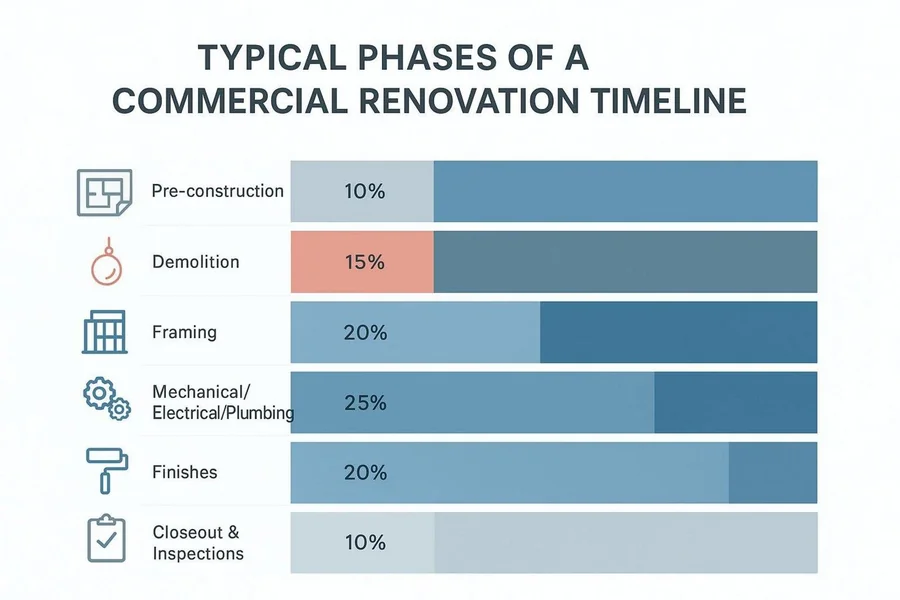
Build a schedule that covers each step, from design to closeout. Leave room for bumps like permit delays, material shortages, or weather. Rushing can cause rework, which takes more time and money later.
Typical phase split for commercial work:
| Phase | Share of Timeline |
| Pre-construction (planning, design, permits) | 10% |
| Demolition | 15% |
| Framing | 20% |
| Mechanical/Electrical/Plumbing | 25% |
| Finishes | 20% |
| Closeout and inspections | 10% |
Assemble the Right Project Team
Compare Design-Build Firms vs. Separate Contractors
Picking the team is one of your most important choices. Decide if you want a single design-build firm or separate design and construction teams.
| Approach | Pros | Cons |
| Design-Build | One point of contact, smoother communication, faster decisions, budget and schedule aligned | Less control over picking each specialist |
| Separate Designer + GC | More control over each role, broader vendor options | More coordination for you, higher risk of delays and cost gaps |
If your project is complex or you want a streamlined process, design-build often works well.
Check Qualifications, Licensing, and References
Whether you choose design-build or separate teams, vet the company. Confirm proper commercial licensing in your state, insurance, and bonding. These protect you and show the team is qualified to do the work.
Review experience with projects like yours-retail, office, restaurant, or medical. Ask for detailed proposals and past client references. Speak with prior clients about communication, budget control, schedule, and quality. Meet the team to gauge how they listen and respond.
Consider Local Knowledge and Experience
Local contractors bring supplier connections, better pricing on materials, and strong knowledge of local building codes and permits. That background can prevent costly permit problems that slow your job and raise costs.
They also know regional issues like weather, common building types, and older structures. Industry-specific experience matters too. A team that already knows your sector will better match your needs and market trends.
Handle Legal, Regulatory, and Compliance Requirements
Secure Permits and Approvals
Get the right permits before any work starts. Requirements vary by city, but common permits include:
- Building
- Electrical
- Plumbing
- Mechanical
- Fire safety
- Signage (when needed)
You will likely submit plans, pay fees, pass plan review, address comments, and receive approval. Skipping permits can lead to fines, stop-work orders, and big delays. Always check with your local building department first.
Meet ADA, Accessibility, and Zoning Rules
Commercial spaces must follow accessibility laws, including ADA requirements. This covers accessible entries, door widths, restrooms, and signage so all users can access your space. Missing these rules can bring legal trouble and costly fixes later.
Zoning rules also shape your plan. They control use type, parking, signage, building height, and setbacks. Check these rules early. A contractor who knows local codes can help you avoid missteps.
Address Safety, Fire Codes, and Environmental Standards
Safety is a top priority. Use the renovation to update fire systems, exits, alarms, and ventilation. Ignoring safety puts people at risk and can trigger penalties.
Watch for environmental hazards like asbestos, lead paint, or mold during demo and handle them properly. Also consider energy-wise choices and waste reduction. These steps can lower operating costs and support a healthier building.
Minimize Disruption to Business Operations
Decide Whether to Keep Operating During Construction
Decide if you can stay open during the work. Small cosmetic updates may allow you to operate by closing off sections or working during off-hours. Large remodels with layout changes or major utility work may require a temporary closure or a short-term move.
Balance lost revenue from closing with the benefit of faster, less disruptive work. Sometimes a full shutdown speeds completion. Other times, phased work keeps you open with a longer timeline. Discuss real impacts and timing with your contractor.
Plan Phases to Limit Impact on Staff and Customers
If you stay open, phase the work so only part of the space is under construction at a time. For example, upgrade the back office first while the sales floor stays open, then switch.
- Schedule noisy tasks during off-hours or slow seasons
- Use dust barriers and negative air machines where needed
- Secure work zones and reroute traffic safely
- Post clear signs for temporary entries and detours
Share Project Updates with Tenants and Stakeholders
Good communication keeps things moving. Tenants, neighbors, and customers need to know about noise, dust, access limits, and parking changes. Regular updates build trust and reduce frustration.
Tell tenants early about schedule shifts and disruptive activities. Share timelines and end results. Consider posting a 3D rendering of the finished space so customers see what’s coming. Let nearby owners know about planned noise or access changes-cooperation can lead to perks like temporary use of a nearby parking lot.
Prioritize Functionality, Design, and Long-Term Value
Match Design Choices to Your Brand and Tenant Needs
A renovation is a chance to refresh the space and match it to your current brand message. If your interiors no longer fit what you offer today, bring them up to date so the space feels unified and welcoming.
For tenants, focus on function and comfort. Choose layouts that help their work, and add features people value. Better lighting, ergonomic areas, and attractive shared spaces can raise tenant satisfaction and help you attract strong occupants.
Include Flexible Spaces for Future Changes
Business needs change often, so build flexibility into your plan. Use modular layouts, movable walls, and rooms that serve multiple uses. For example, an open office can include power and data for easy future build-outs like meeting pods or extra desks.
Planning for flexibility keeps your space useful longer and saves you from major work later. It helps your property handle new services, more inventory, or different workflows without big structural changes.
Choose Quality Materials and Sustainable Options
Cut-rate materials can lead to faster wear and more repairs. Invest in quality finishes that last and look good over time. Durable choices reduce maintenance and replacement costs.
Also add green options: recycled or responsibly sourced materials, energy-wise windows, and low-VOC paints. These choices can lower utility bills and appeal to eco-minded tenants and customers, helping both your budget and your brand.
Estimate Return on Investment for Upgrades
Look at every upgrade through the lens of ROI. Some fixes, like stopping leaks, protect the building. Others can lift profits. Energy-wise windows cost more at first but lower utility bills over time. Updated spaces rent faster and at higher rates.
To estimate ROI, total the improvement costs (build, permits, design, engineering) and estimate yearly gains (higher rent, lower bills). Calculate the payback period. Consider the lifespan of upgrades and tax items like depreciation. Focus on widely appealing improvements that match market demand. Many tenants pay more for green features and energy savings.
Integrate Energy Efficiency and Sustainability
Benefits of Green Renovation Practices
Energy-wise upgrades help the planet and your bottom line. Your building can use less energy and water and create fewer emissions. Reuse and recycling cut landfill waste.
Many projects see 25-30% energy savings, bringing lower utility bills month after month. Efficient systems often last longer and break down less. People also feel better in these spaces-clean air, natural light, steady temperatures, and lower noise all support comfort and productivity.
Use Energy-Saving Systems and Materials
Strong options include:
- LED lighting with sensors or daylight controls (25-30% less energy, much longer life)
- High-efficiency HVAC, smart thermostats, and zoning
- Better insulation and air sealing
- High-performance windows and doors
- Low-flow fixtures that cut water use by 30% or more
These upgrades reduce carbon impact and offer a strong financial return.
Leverage Incentives and Green Certifications
Look for tax credits, rebates, and grants for energy upgrades and green standards. These can reduce upfront costs and improve payback. Federal and local programs often apply to commercial buildings.
Consider certifications such as LEED. While not required in many places, they show a clear commitment to sustainability, can raise property value by 10-20%, and help attract tenants who stay longer.
Consider Technology Upgrades and Modern Amenities
Improve Security, Networking, and Automation
Modern tech is no longer optional. A renovation is the right time to update security, networking, and smart controls. Security can include modern cameras, access control, and integrated alarms to protect assets and support staff safety.
For networking, add high-speed internet, strong Wi-Fi, and enough data ports, with room to grow. Smart lighting and automated HVAC can cut energy use and improve comfort with settings tied to occupancy and time of day. These updates streamline daily work and add long-term value.
Support Health, Wellness, and Digital Infrastructure
Wellness features matter. Consider better air filtration, more natural light, and areas for quiet breaks or fitness. These upgrades support a healthier workplace and can reduce sick days.
Build in digital tools such as smart meeting rooms with AV gear, charging stations, and flexible power locations. Easy, reliable connectivity makes the space more useful and appealing to tenants and teams.
Address Post-Renovation Planning and Maintenance
Create a Maintenance Schedule for New Features
When construction ends, plan how you will care for the updates. Build a maintenance schedule with routine checks, cleaning, and service for HVAC, plumbing, lighting, and smart systems. Skipping maintenance shortens lifespan and raises costs.
For example, high-efficiency HVAC needs regular filters and tune-ups to keep saving energy. Some green materials have special care steps. A proactive plan keeps your building running well for years.
Plan Tenant or Staff Training
New systems work best when people know how to use them. If you added smart controls, security, or new equipment, plan time to train tenants and staff. Show how to use thermostats, access systems, layouts, and safety steps.
Clear training-through short sessions, simple guides, or brief videos-helps everyone get full value from the upgrades and reduces errors and frustration.
Collect Feedback for Future Improvements
After reopening, gather feedback from tenants, staff, and customers. Ask what works well, what needs adjustment, and what problems remain. Use surveys, comment boxes, or quick check-ins.
Review this input to fine-tune systems and plan future updates. Ongoing feedback helps keep the property performing well and meeting changing needs.