
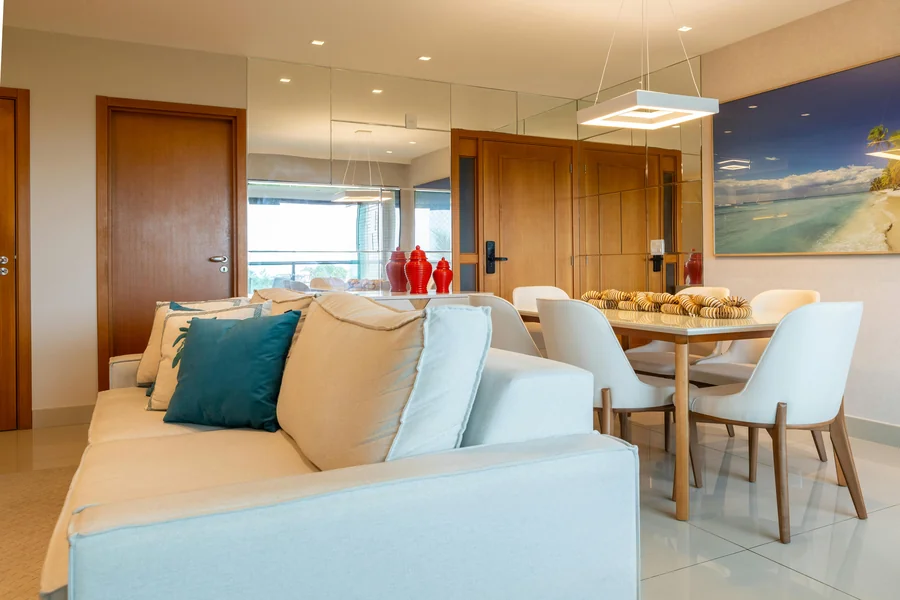
Recently, interior design is experiencing a tactile renaissance. After years of sleek minimalism, digital screens, and clean, clinical surfaces dominating the aesthetic conversation, designers and homeowners alike are craving something more intimate: something that invites the hand as much as the eye. Texture is no longer an afterthought. It has become the language through which contemporary interiors communicate warmth, personality, and emotional resonance.
In a world increasingly mediated by technology, people are seeking environments that feel grounded and human. Rough-hewn stone, nubby textiles, hand-finished ceramics, and layered woods are all making a deliberate return. Interiors are now meant to be experienced sensorially, not just viewed, and the surface has become as meaningful as the structure beneath it.
Why Texture Matters Now More Than Ever
The appeal of texture goes beyond aesthetics. It engages the body as well as the mind, creating spaces that feel alive and emotionally supportive. In post-pandemic life, where many have spent long stretches in virtual worlds, the longing for physicality has grown palpable. Homes have evolved from purely functional shelters into immersive environments where touch provides comfort, grounding, and even joy.
Texture also introduces complexity into spaces that might otherwise feel flat or impersonal. A room dominated by neutral colors or minimal furniture can feel alive when layered with tactile elements: a velvet sofa, a handwoven rug, or a wall finished in plaster with subtle undulations. By interacting with these surfaces, inhabitants are reminded that interiors are not static; they are dynamic, responsive, and เหล็กดำ.
Layering Materials for Depth
Contemporary designers are increasingly embracing the concept of material layering, where contrasting textures are combined to create depth and intrigue. Smooth surfaces juxtaposed with rough or matte finishes invite exploration, encouraging the eye (and the hand) to travel across the room.
For instance, a polished marble countertop might be paired with a raw timber shelving system. Linen cushions rest atop a boucle armchair, while a plaster wall introduces a subtle irregularity that softens geometry. Even small interventions, such as a mosaic bathroom backsplash, can inject tactile complexity, combining visual pattern with the varied surfaces of individual tiles. The effect is one of richness without clutter, a curated sensibility that balances refinement and sensory delight.
Layering materials is also a practical solution in contemporary interiors, where multifunctionality and small-scale living demand both beauty and resilience. Hard-wearing surfaces coexist with soft textiles, creating spaces that are visually stimulating, durable, and eminently livable.
The Sensory Power of Textiles
Textiles are at the forefront of this tactile revival. Designers are moving beyond decorative function to treat fabrics as essential tools for shaping spatial experience. Boucle, velvet, mohair, and heavy linens are no longer reserved for furniture alone; they appear as wall treatments, acoustic panels, and floor coverings.
The appeal of these fabrics lies not just in their visual quality but in their tactile presence. A looped wool rug or a handwoven throw can transform the sensation of a room, making it feel intimate and layered. These surfaces invite interaction, encouraging dwellers to touch, rest, and inhabit them fully.
Textile layering also supports emotional storytelling in interiors. By mixing textures of different weights, patterns, and origins, designers craft environments that feel personal and distinctive. Soft, cozy layers might be balanced against sleek, modern metals, resulting in a room that is both grounded and aspirational.
Surface Treatments and Finishes
Beyond textiles, attention to finishes has become a defining feature of contemporary interiors. Walls, ceilings, and cabinetry are now being treated as tactile canvases, with techniques ranging from polished plaster to hand-painted motifs. These surfaces capture light, shadow, and subtle irregularities, transforming what might otherwise be purely functional elements into sensory experiences.
Innovative approaches to tile, stone, and glass have also emerged as vital contributors. The resurgence of handcrafted ceramics, artisanal tiling, and textured stonework adds layers of authenticity to interiors. Small decorative details, such as an inset tile or a textured backsplash, are now celebrated for their ability to break the monotony of planar surfaces. Even digital fabrication is being leveraged to produce patterns and reliefs that invite touch. The interplay of light and shadow on these surfaces deepens the emotional impact of the space.

Mosaic Art as a Statement
Mosaics, long regarded as a historical decorative technique, have recently found renewed relevance in interiors. Beyond their visual appeal, mosaics provide a tactile richness that transforms mundane spaces into interactive environments. A custom mosaic art installation can become the centerpiece of a living room, hallway, or even a kitchen wall, creating layers of texture that draw people closer.
In bathrooms, mosaics offer both functional and aesthetic value. A mosaic bathroom wall or shower floor introduces visual rhythm, while the slight undulations and individual tiles engage the sense of touch. Designers are experimenting with irregular stone, glass fragments, and handcrafted ceramics to create tactile narratives that make even small rooms feel immersive. The enduring charm of mosaics lies in their capacity to blend heritage techniques with contemporary sensibilities, making every touch a reminder of craft and care.
Wood, Stone, and the Beauty of Natural Imperfection
Natural materials have emerged as central to the textural trend. Rough-cut timber, exposed concrete, and hand-chiseled stone introduce irregularities that add character and warmth. These materials remind inhabitants of the human hand in production, celebrating imperfection as a design virtue.
Wood, in particular, has returned in abundance. Floors, paneling, and furniture are now treated to highlight grain, knots, and natural variation, emphasizing authenticity over perfection. Stone surfaces are similarly celebrated for their veining and tactile resonance, proving that imperfection can feel luxurious when presented with intention.
Even concrete, once associated with minimalism and cold modernity, is being reimagined. Polished finishes contrast with raw patches, while subtle pigments and hand-texturing create surfaces that feel alive, inviting the hand to explore and the eye to linger.
Layered Lighting and Tactile Perception
Lighting plays a crucial role in amplifying texture in contemporary interiors. Layered lighting, with a mix of ambient, task, and accent sources, interacts with surfaces to highlight depth, relief, and materiality. A soft glow across a nubby wool rug or a textured plaster wall transforms perception, creating dynamic shadows that change throughout the day.
Designers are pairing natural light with carefully curated artificial illumination to enhance tactile qualities. The reflective qualities of polished metals, glass, and stone surfaces are balanced with matte textiles and plastered walls. This dance between sheen and matte, smooth and rough, creates interiors that feel both visually and physically engaging, demonstrating that texture is as much about light as it is about touch.
Color, Pattern, and Sensory Harmony
Texture does not exist in isolation. Contemporary interiors combine tactile surfaces with carefully considered color palettes and patterns to create emotional resonance. Muted earth tones, jewel-inspired hues, and layered neutrals provide a backdrop for texture to shine, allowing surfaces to be felt as well as seen.
Patterned textiles, in particular, create layers of sensory interest. Hand-loomed rugs, embroidered cushions, and woven wall hangings bring both visual complexity and tactile engagement. Even small decorative details, such as a subtle relief on cabinetry or a mosaic insert, contribute to the overall sensory harmony. By balancing color, pattern, and texture, designers create interiors that feel curated, immersive, and emotionally satisfying.
The Role of Craftsmanship
At the heart of the textural revival is a renewed emphasis on craftsmanship. Handwork, whether in furniture, textiles, or surface finishes, has become central to contemporary interiors. Skilled artisans are being brought into projects to create bespoke elements that are tactile, unique, and imbued with human presence.
Craftsmanship extends beyond decoration; it is an ethical and emotional choice. In an era dominated by mass production and digital replication, handmade surfaces and objects reconnect interiors to time, labor, and intention. Each stitch, brushstroke, or chisel mark becomes a tactile reminder that someone’s hand has shaped the environment, adding warmth, depth, and authenticity to daily life.

David Lee is a seasoned writer specializing in filming locations. With a keen eye for detail and a passion for cinema, David explores the stories behind iconic sites and shares unique insights that bring your favorite films and series to life.