
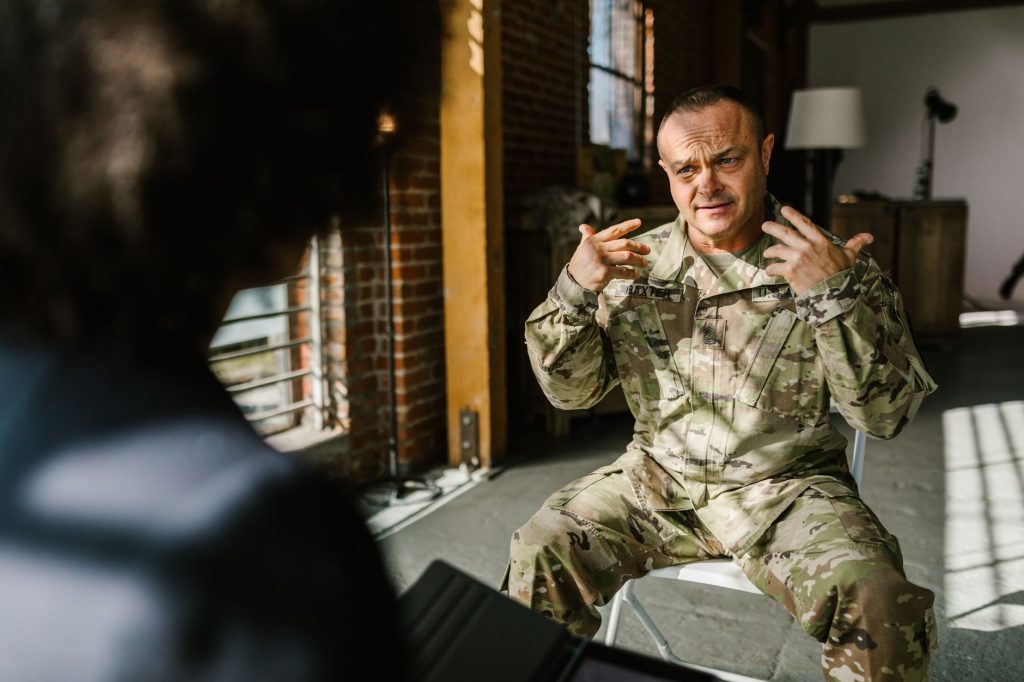
Some experiences refuse to stay in the past. A car backfiring sends a veteran diving for cover. A smell triggers a flood of images someone desperately wishes they could forget. These are not signs of weakness or imagination. They are signs of a brain that has been fundamentally reorganized by trauma, and understanding that reorganization is the first step toward making sense of what PTSD actually is and why it responds to specific kinds of help.
This article covers what happens inside the brain during and after trauma, which symptoms distinguish PTSD from ordinary stress responses, who faces the highest risk, and what the current evidence says about treatments that genuinely move the needle. Whether you are trying to understand your own experience or support someone you care about, the science here is worth knowing.
What Trauma Does to the Brain
The brain is not a passive recorder of events. It is constantly evaluating threat and deciding how to respond. When something genuinely dangerous happens, a small almond-shaped structure called the amygdala fires intensely, triggering the stress hormones cortisol and adrenaline. Heart rate climbs. Muscles tense. Attention narrows. This is the survival system working exactly as intended.
In most people, once the threat passes, the prefrontal cortex steps back in. It processes what happened, files the memory as a past event, and gradually dials down the alarm. But in people who develop PTSD, this regulatory loop misfires. Research using neuroimaging has consistently shown that PTSD involves a hyperactive amygdala paired with reduced activity in the medial prefrontal cortex, the region responsible for dampening fear responses. The result is a brain that stays stuck in threat mode long after the danger has passed.
The hippocampus, which helps place memories in their proper time and context, also shows measurable volume reduction in many PTSD patients. This helps explain why traumatic memories feel so immediate. They are not being retrieved the way ordinary memories are. They are being relived, stripped of the contextual cues that would signal they belong to the past.
Recognizing the Core Symptom Clusters
The Diagnostic and Statistical Manual of Mental Disorders (DSM-5) groups PTSD symptoms into four clusters. Knowing these clusters helps distinguish PTSD from general anxiety or depression, which often overlap with it.
| Symptom Cluster | What It Looks Like |
| Intrusion | Flashbacks, nightmares, unwanted distressing memories, intense psychological or physical distress when reminded of the event |
| Avoidance | Steering clear of people, places, thoughts, or feelings connected to the trauma |
| Negative cognitions and mood | Persistent guilt, shame, distorted blame, emotional numbness, feeling detached from others, loss of interest in activities |
| Alterations in arousal and reactivity | Hypervigilance, exaggerated startle response, difficulty concentrating, irritability, reckless behavior, sleep disturbances |
A formal PTSD diagnosis requires symptoms from each cluster to be present for more than one month and to cause significant disruption in daily functioning. It is also worth noting that PTSD is not limited to combat veterans. Any type of overwhelming trauma, including assault, accidents, natural disasters, childhood abuse, or sudden loss, can produce the same neurological and psychological picture.
Who Is Most Vulnerable and Why
Exposure to trauma is unfortunately common. The National Center for PTSD estimates that about 70 percent of adults in the United States will experience at least one traumatic event in their lifetime. Yet only a fraction of those people go on to develop PTSD. Understanding the risk factors clarifies why this is not simply a matter of how severe the trauma was.
- Prior trauma history: People who experienced trauma in childhood are more likely to develop PTSD after adult trauma, possibly because early adversity alters how the stress response system is calibrated.
- Lack of social support: Isolation after a traumatic event is one of the strongest predictors of PTSD. Community and connection appear to buffer the brain against sustained dysregulation.
- Biological sex: Women develop PTSD at roughly twice the rate of men after equivalent trauma exposure, according to data from the National Comorbidity Survey. Hormonal factors and differences in threat processing are thought to contribute.
- Dissociation during the event: Feeling detached or unreal while the trauma is occurring, called peritraumatic dissociation, significantly raises the odds of lasting symptoms.
- Severity and duration of trauma: Prolonged or repeated trauma, such as ongoing domestic abuse or childhood neglect, tends to produce more complex and treatment-resistant presentations.
- Genetic predisposition: Twin studies suggest a moderate genetic contribution to PTSD vulnerability, likely related to genes influencing serotonin and cortisol regulation.
Importantly, risk factors are not destiny. Resilience is also shaped by biology, environment, and deliberate intervention. Many people with multiple risk factors never develop PTSD, and many who do develop it recover substantially with appropriate care.
Evidence-Based Treatments That Actually Work
Decades of clinical research have produced a fairly clear picture of which interventions produce meaningful, lasting improvement. The most effective treatments share a common thread: they help the brain process the traumatic memory rather than simply suppressing the symptoms it generates.
Trauma-Focused Psychotherapies
Prolonged Exposure (PE) and Cognitive Processing Therapy (CPT) are the two approaches with the strongest evidence base, both endorsed by the American Psychological Association and the U.S. Department of Veterans Affairs. PE works by guiding patients to gradually confront trauma-related memories and situations they have been avoiding, reducing fear through repeated, controlled exposure. CPT focuses more on identifying and restructuring the distorted beliefs that trauma often creates, such as self-blame or the conviction that the world is entirely unsafe. Both treatments typically run 12 to 16 sessions and produce clinically significant reductions in symptoms for the majority of patients who complete them.
Eye Movement Desensitization and Reprocessing (EMDR) is another well-researched option. It involves recalling traumatic memories while simultaneously tracking a moving stimulus, such as a therapist’s finger or a light bar. The bilateral stimulation is thought to facilitate the same kind of memory reconsolidation that occurs during REM sleep, helping the brain finally file the memory as a past event rather than an ongoing threat. Multiple meta-analyses have found EMDR comparable in effectiveness to trauma-focused CBT approaches.
Medication Options
Two antidepressants, sertraline and paroxetine, are currently the only medications with FDA approval specifically for PTSD. Both are selective serotonin reuptake inhibitors (SSRIs). They tend to reduce the intensity of intrusive symptoms and improve mood and sleep, though they work best when combined with psychotherapy rather than used as a standalone treatment. Prazosin, a blood pressure medication, has shown benefit specifically for trauma-related nightmares in some studies, though more recent large trials have produced mixed results. Medication decisions should always involve a qualified prescriber who can weigh individual health factors.
Emerging Approaches
Research into MDMA-assisted psychotherapy has attracted considerable attention. Phase 3 clinical trials published in Nature Medicine in 2021 found that 67 percent of participants who received MDMA-assisted therapy no longer met criteria for PTSD after treatment, compared to 32 percent in the placebo-assisted therapy group. MDMA is not yet approved for clinical use, but the FDA has granted it Breakthrough Therapy designation, meaning the regulatory review process is being expedited. Ketamine infusion therapy and stellate ganglion blocks are also under active investigation for treatment-resistant PTSD cases.
Finding the Right Level of Care
PTSD exists on a spectrum. Some people function reasonably well despite symptoms; others find daily life severely impaired. The right level of care depends on symptom severity, the presence of co-occurring conditions like depression or substance use, and practical factors like access and availability.
Outpatient therapy with a trauma-specialized clinician is the appropriate starting point for most people. Intensive outpatient programs (IOPs) offer more frequent sessions for those who need additional support without inpatient hospitalization. For people in acute crisis or those whose symptoms have not responded to standard outpatient approaches, residential trauma programs provide a structured environment with daily therapeutic contact. Anyone seeking PTSD treatment in San Jose should look specifically for providers trained in one of the evidence-based modalities described above, since general counseling without a trauma-focused framework tends to be far less effective.
Supporting Someone with PTSD Without Making Things Worse
People close to someone with PTSD often want to help but are unsure how. Some well-meaning responses accidentally reinforce avoidance or increase shame. A few principles grounded in the research tend to make a genuine difference.
- Believe them: Skepticism about whether the trauma was ‘bad enough’ is harmful and scientifically unfounded. The brain does not grade trauma by an external standard.
- Avoid pushing them to talk before they are ready: Forcing premature disclosure can re-traumatize. Let the person set the pace.
- Encourage professional support without pressuring: Share information, offer to help find resources, but ultimately respect their autonomy.
- Reduce practical stressors where possible: Financial stress, housing instability, and social conflict all worsen PTSD symptoms by keeping the nervous system activated.
- Take care of yourself: Secondary traumatic stress is real. People who support trauma survivors need their own emotional outlets and support systems.
The Takeaway
PTSD is not a character flaw, a sign of fragility, or an inevitable life sentence. It is a neurobiological response to overwhelming experience, one that the brain fell into because it was trying to protect itself. The fact that specific therapies can measurably alter how the brain processes fear is one of the genuinely encouraging findings of modern psychiatry. Recovery is not guaranteed and it is rarely linear, but for the majority of people who engage with evidence-based care, substantial improvement is a realistic outcome. Knowing the science is a good place to start.

David Lee is a seasoned writer specializing in filming locations. With a keen eye for detail and a passion for cinema, David explores the stories behind iconic sites and shares unique insights that bring your favorite films and series to life.