
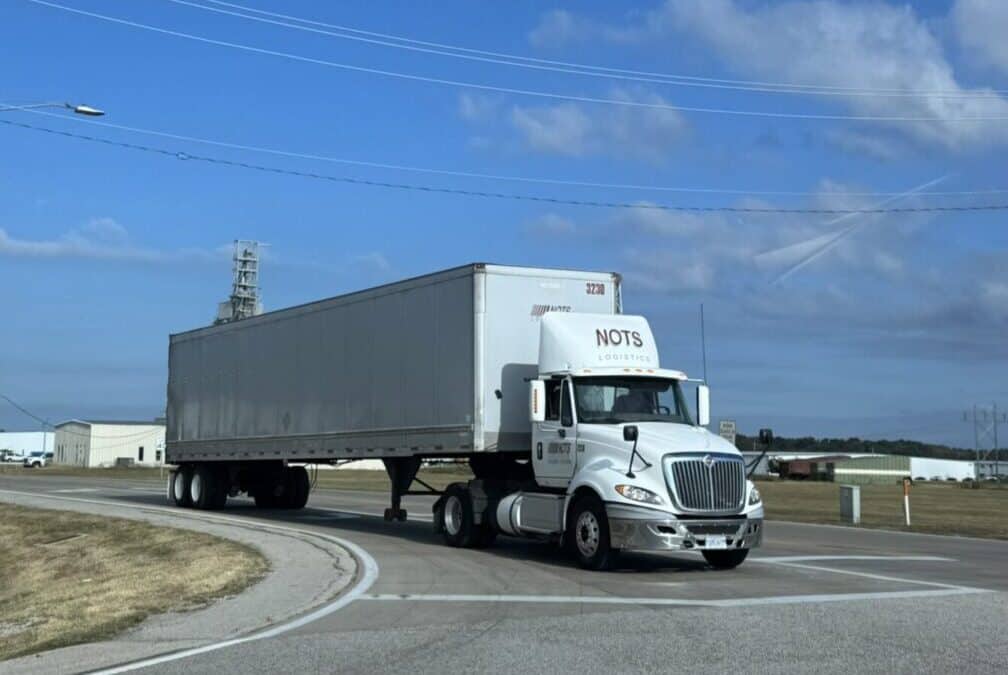
Global trade depends on a vast network of transportation systems that move goods from manufacturers to consumers. While ships, trains, and airplanes are often recognized for their role in international commerce, truckers remain the backbone of the supply chain. Every day, millions of truck drivers transport food, medicine, raw materials, electronics, and countless other products that keep businesses operating and communities supplied. Without their dedication and expertise, modern economies would struggle to function.
The Backbone of the Supply Chain
Truckers play a vital role in connecting every stage of the supply chain. Even when products travel by sea, rail, or air, trucks are almost always responsible for transporting goods to and from ports, warehouses, distribution centers, and retail stores. This “last-mile” and “first-mile” transportation is essential for ensuring products reach their final destinations safely and on time.
Unlike other forms of transportation, trucking offers unmatched flexibility. Trucks can access locations that ships, trains, and aircraft cannot, including rural communities, construction sites, hospitals, and local businesses. This versatility makes trucking an indispensable part of domestic and international logistics.
Keeping Industries Running
Virtually every industry depends on reliable trucking services. Manufacturers require a steady supply of raw materials to keep production lines moving. Retailers rely on trucks to replenish inventory and meet customer demand. Farmers depend on transportation to deliver fresh produce to markets before it spoils. Healthcare providers need medical equipment, pharmaceuticals, and emergency supplies delivered without delay.
Construction projects also rely heavily on trucking to transport heavy machinery, building materials, and specialized equipment. Even online shopping, which has transformed consumer expectations, depends on truckers to move products quickly through fulfillment centers and directly to customers.
Without efficient trucking networks, businesses would face costly delays, inventory shortages, and disrupted operations.
Supporting Global Trade
Global logistics is a complex system involving multiple modes of transportation. Cargo ships carry products across oceans, airplanes transport high-value and time-sensitive goods, and rail networks move bulk shipments over long distances. However, trucking connects each of these transportation methods into a seamless supply chain.
For example, imported goods arriving at a port must be transported by truck to warehouses or distribution centers before reaching retailers or manufacturers. Similarly, exported products are often collected from factories by truck before being shipped overseas.
This integration ensures goods continue moving efficiently throughout the global marketplace.
The Challenges Truckers Face
Although trucking is essential, it is also one of the most demanding professions. Truck drivers spend long hours on the road, often traveling hundreds or even thousands of miles away from home. Tight delivery schedules, changing weather conditions, traffic congestion, and road construction can create constant pressure.
Safety remains another major concern. Truckers must operate large vehicles responsibly while sharing the road with passenger cars and navigating difficult driving conditions. They are required to comply with strict regulations regarding driving hours, vehicle inspections, cargo security, and licensing to maintain safe operations.
Driver shortages have also become a growing issue in many countries. As experienced drivers retire and fewer young workers enter the profession, logistics companies face increasing challenges in maintaining delivery capacity. Addressing these workforce shortages will be critical to ensuring future supply chain stability.
Technology is Transforming Trucking
Modern technology has significantly improved the efficiency and safety of trucking operations. GPS navigation systems help drivers select the most efficient routes while avoiding traffic delays and road closures. Fleet management software enables logistics companies to monitor vehicle locations, fuel consumption, maintenance schedules, and delivery performance in real time. Regular inspections of critical components, including truck tyres, brakes, and suspension systems, help prevent breakdowns, improve fuel efficiency, and enhance road safety.
Electronic logging devices simplify compliance with driving regulations by automatically recording hours of service. Advanced safety features such as collision warning systems, lane departure alerts, adaptive cruise control, and automatic emergency braking help reduce accidents and improve driver safety.
Artificial intelligence and predictive analytics are also helping logistics companies optimize delivery routes, forecast maintenance needs, and improve operational efficiency. These innovations allow trucking companies to reduce costs while providing faster and more reliable service.
Sustainability in the Trucking Industry
As environmental concerns grow, the trucking industry is working to reduce its carbon footprint. Many fleets are investing in fuel-efficient engines, aerodynamic vehicle designs, and alternative fuels such as compressed natural gas and renewable diesel. Electric trucks are becoming increasingly viable for short-haul deliveries, while hydrogen-powered vehicles are being explored for longer routes.
Route optimization software helps minimize unnecessary mileage, reducing fuel consumption and greenhouse gas emissions. Companies are also improving loading efficiency to maximize cargo capacity and reduce the number of trips required.
Although transitioning to greener transportation presents challenges, ongoing investments in sustainable technologies are helping the industry move toward a cleaner future without sacrificing efficiency.
The Human Element
Despite advances in automation and artificial intelligence, truckers remain irreplaceable. Driving a commercial vehicle requires judgment, adaptability, problem-solving, and decision-making that technology cannot fully replicate. Drivers must respond to changing weather, road hazards, customer requirements, and unexpected situations that require experience and professionalism.
Truckers also build relationships with customers, warehouse staff, dispatchers, and logistics managers, ensuring smooth communication throughout the supply chain. Their ability to handle complex deliveries and maintain high standards of service continues to make them essential to modern logistics.
Looking Ahead
The future of global logistics will rely on greater efficiency, technological innovation, and resilient transportation networks. As e-commerce continues to grow and consumer expectations for fast delivery increase, trucking will remain central to meeting these demands.
Investment in infrastructure, driver training, digital technologies, and sustainable transportation will help strengthen the trucking industry for years to come. At the same time, improving working conditions and attracting new drivers will be vital to addressing labor shortages and maintaining reliable freight capacity.
Truckers are more than drivers—they are critical partners in global commerce. Their work keeps store shelves stocked, factories operating, hospitals supplied, and businesses connected across cities, countries, and continents. Every shipment delivered represents the dedication, skill, and professionalism of individuals who spend countless hours on the road to ensure goods reach their destinations safely and efficiently.
As global trade continues to expand, the importance of truckers will only grow. Recognizing their contributions and investing in the future of the trucking industry is essential for building stronger, more resilient supply chains that support economic growth and improve lives around the world.

David Lee is a seasoned writer specializing in filming locations. With a keen eye for detail and a passion for cinema, David explores the stories behind iconic sites and shares unique insights that bring your favorite films and series to life.