
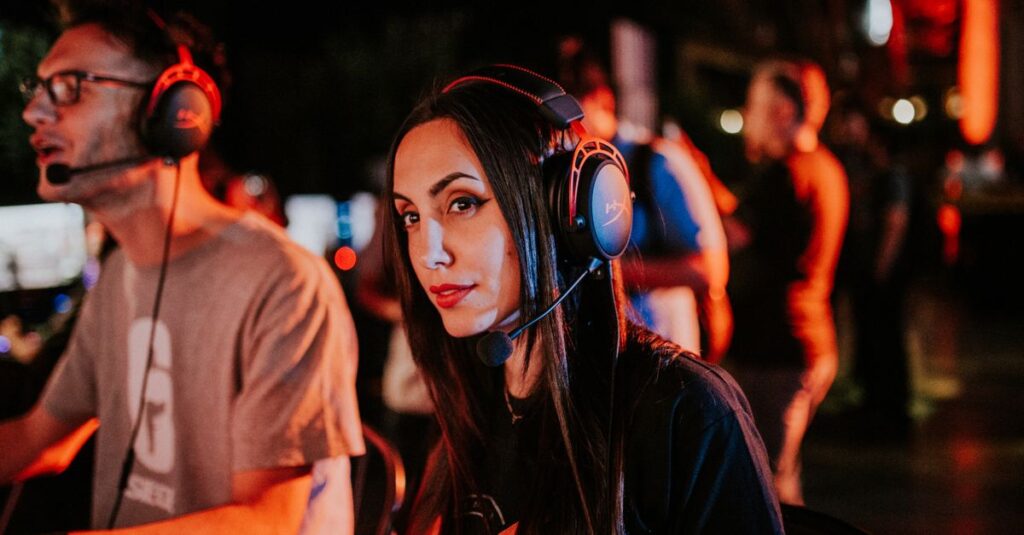
Why do online games feel so lively even when you are playing from your room alone? The answer usually has less to do with graphics or mechanics and more to do with the people who fill those spaces with conversation, teamwork, jokes, and shared habits.
Online gaming has grown into a social activity that connects players across borders, ages, and routines. A match can last minutes, but the relationships built around it often continue for months or years through regular play, chat, and community rituals.
That community spirit keeps online gaming active on a global scale. It helps new players settle in, gives experienced players reasons to return, and turns a simple session into a shared event that feels bigger than the screen.
Why Community Matters So Much
People stay with online games because they feel connected to other people, not just to the rules of play.
Shared Goals Create Strong Bonds
Many online games ask players to coordinate under pressure, divide roles, and trust each other in real time. That setup encourages fast relationship building because success often depends on communication, timing, and reliability rather than solo skill alone.
Even short matches can build familiarity. Players remember the teammate who stayed calm, the person who explained a tactic clearly, or the group that adapted after a rough start. Repeated moments like these turn strangers into regular partners.
Community Gives Play More Meaning
A win feels better when other people celebrate it with you, and a loss feels easier to accept when a group treats it as a lesson instead of a disaster. Communities add emotional context to competition, which makes online gaming feel more personal and less disposable.
That is also why discussion spaces matter. In places where players compare strategies, post match stories, or share funny mistakes, the game continues outside live play. Spaces as varied as DUAR77 can reflect how players gather around a common interest, talk through decisions, and build a sense of belonging around repeated interaction.
How Communication Shapes Global Play
Good communication turns a group of individual players into a functioning community.
Language Barriers Often Lead To Creative Cooperation
Online gaming regularly brings together people who do not share a first language. Players respond by using short phrases, pings, symbols, map markers, and repeated patterns that make teamwork possible even with limited vocabulary.
This kind of adaptation teaches practical cooperation. People learn how to be clear, concise, and patient because confusion has immediate effects during play. Over time, many communities develop their own shorthand that helps members coordinate quickly.
Voice And Text Build Different Kinds Of Trust
Voice chat creates immediacy. Hearing tone, stress, or excitement helps players react faster and understand each other beyond the words themselves. Text chat, on the other hand, gives people time to think, explain, and contribute at a pace that feels comfortable.
Both formats support community in different ways. Voice often strengthens team chemistry during live action, while text preserves advice, jokes, and planning that people can revisit later. Together they create a fuller social environment than gameplay alone could offer.
The Role Of Routine And Ritual
Communities become durable when players know what to expect from each other.
Regular Schedules Turn Casual Play Into Social Habit
Many online groups form around repeated sessions at set times. Weekly raids, nightly matches, and weekend tournaments give people a rhythm that fits around school, work, or family life. That rhythm creates reliability, and reliability is one of the strongest foundations for community.
These routines matter because they reduce friction. Players do not need to ask every time who is available or what the plan is. They show up, greet familiar names, and slide into a pattern that feels welcoming and stable.
Inside Jokes And Traditions Strengthen Identity
Communities also build identity through small rituals. A team might repeat the same opening greeting, celebrate odd statistics, remember an old upset, or nickname a strategy after the player who first tried it. These habits make the group feel distinct.
That shared identity helps members feel that they are part of something lasting. It turns online gaming from a temporary activity into a social space with memory, personality, and a sense of continuity across many sessions.
How Communities Help New Players Stay
A welcoming community can determine if a newcomer keeps playing or leaves after one frustrating session.
Mentorship Lowers The Entry Barrier
Online games often have complex systems, fast pacing, and unspoken rules that can confuse beginners. Community members who explain basics, answer simple questions, and model good behavior make the learning curve far less intimidating.
That support is not just about teaching controls or tactics. It also shows new players how the group communicates, how mistakes are handled, and what kind of attitude earns trust. Those social lessons are often as important as mechanical skill.
Positive Feedback Builds Confidence
New players improve faster when their early efforts are noticed. A short message praising smart positioning or calm teamwork can make someone feel useful before they become highly skilled. That feeling encourages continued practice.
Across many online spaces, including discussion hubs related to DUAR77 TOGEL, people often return because interaction itself feels rewarding. Helpful replies, respectful correction, and visible appreciation give newer members reasons to keep learning instead of quitting quietly.
Competition And Community Can Work Together
Strong communities do not remove competition. They give it structure and purpose.
Healthy Rivalries Keep Interest High
Competition adds stakes, but community sets the tone around those stakes. A healthy rivalry pushes players to improve, study opponents, and care about results without treating every loss as a personal attack. That balance keeps competitive play exciting over long periods.
Communities maintain that balance by rewarding sportsmanship as well as skill. Players remember opponents who played hard and stayed respectful. Those reputations shape future matches and influence how others behave.
Shared Standards Reduce Friction
Groups that last tend to develop clear norms around fairness, communication, and conflict. People learn what counts as acceptable trash talk, how disputes should be handled, and when moderators or group leaders need to step in.
These standards protect the social side of gaming. They do not remove every disagreement, but they make conflict easier to manage before it damages trust. That matters in global communities where people bring different expectations and communication styles.
Why Online Gaming Feels Local And Global At Once
One of the most interesting parts of online gaming is how it blends personal connection with international reach.
Players Bring Local Culture Into Shared Spaces
Every player enters with habits shaped by language, humor, schedule, and social norms. During repeated interaction, those differences become visible in small ways such as greeting styles, team etiquette, and the pace of conversation. Communities often absorb these details and become more interesting because of them.
This exchange can broaden perspective without turning play into a formal lesson. People pick up bits of slang, recognize different holiday schedules, and learn how others approach teamwork or competition. The result is a social setting that feels both familiar and wider than daily offline life.
Digital Friendship Crosses Distance
Distance matters less when people meet in the same game night after night. Players can become part of each other’s routines even if they live in different time zones and have never met face to face. They ask about exams, work shifts, weather, and family events because those details affect who shows up and how they feel.
That ongoing contact is why community spirit keeps online gaming so strong worldwide. Games provide the setting, but people create the loyalty, memory, and trust that make those spaces feel alive long after a match ends.

David Lee is a seasoned writer specializing in filming locations. With a keen eye for detail and a passion for cinema, David explores the stories behind iconic sites and shares unique insights that bring your favorite films and series to life.