
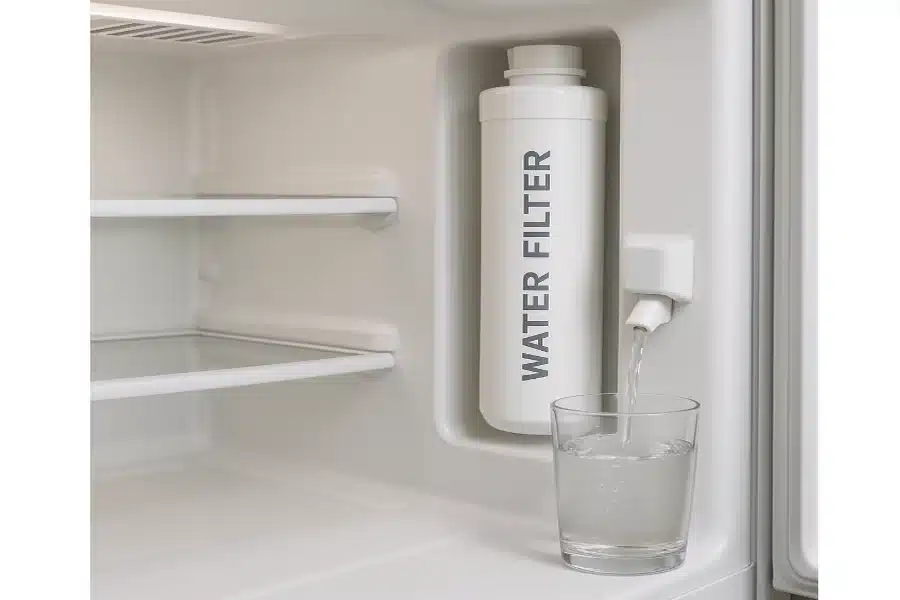
State-of-the-art refrigerators have evolved from mere food storage devices to high-tech kitchen centers. Perhaps one of the most coveted features is an in-unit water and ice dispenser, which will deliver convenience and great-tasting water with just the push of a button. But before you go ahead and invest in a refrigerator with this sort of feature, you may be wondering: does this really treat your water, or are you just being delivered your kitchen’s faucet water through some sort of slick dispenser?
The response is not necessarily black-and-white as one would expect. While most of those refrigerator water systems have filters, quality as well as performance can widely range between brands as well as between products.
How Refrigerator Water Systems Work
Some dispensers are connected in your kitchen with your home’s water with a special water line. As your dispenser switch is turned on, your main-water is pumped out of your refrigerator plumbing built-in-system and exits at your dispenser.
Other modern refrigerators have a water container or reservoir in the refrigerator in which a small amount of water is maintained in the fridge. There is a two-fold purpose of this reservoir; it keeps water cold and accessible to pour, as well as a place in which it can be filtered before it reaches your glass.
They will usually have a pump which will regulate water pressure as well as facilitate easy dispensing. High-end systems from sizeframe will have some sort of inbuilt added extras such as final-stage filtration or UV sterilizing.
Do These Water Systems Have Filtration?
The vast majority of refrigeration water dispensers will contain filtration systems built into them. These will vary significantly in quality.
Most refrigeration systems employ activated carbon filters, which remove chlorine flavor and odor as well as some particulate matter and organics fairly effectively. These filters will really enhance your water’s flavor significantly relative to raw faucet water.
For those experiencing issues with their refrigerator water systems, it’s crucial to address any malfunctions promptly to ensure the continued delivery of clean, filtered water. Regular maintenance can prevent common problems such as leaks or reduced water flow. If you’re unsure about how to tackle these issues, consider reaching out to professionals who specialize in appliance repairs. The expertise of Bethesda Appliance Repair Pros can be invaluable in diagnosing and fixing any underlying problems, ensuring your refrigerator operates efficiently. By keeping your appliance in top condition, you can enjoy the benefits of filtered water without interruption, contributing to a healthier lifestyle.
Some of the top-of-the-line systems have better filters, including multi-stage filters or reverse osmosis filters that can remove a larger number of contaminants, including dissolved solids, heavy metal elements, as well as bacteria.
First thing most homeowners forget is replacing filters. Refrigerator water filters will need replacement every six months in order to work right. An outdated or clogged-up filter will have the unintended effect of putting your water in a worse state than unfiltered faucet water.
Why We Should All Have Whole-House Water Softeners
Although fridge filters can optimize flavor, they cannot cure one of the most widespread US home water quality problems: hard water. Hard water is water containing higher-than-average levels of minerals such as calcium and magnesium, and it can have an impact on your palate as well as your appliances’ workings.
Whole-house water softeners will soften each drop of water coming into your home, not just water coming into your refrigerator. That means soft water in your entire home for drinking, cooking, bathing, and home cleaning. Even your refrigerator’s internal parts can have lower wear due to reduced mineral deposit.
For homes with good-quality appliances, a whole-house treatment will have complete coverage. Your refrigerator filter will function better and longer because it will no longer have to strain with gigantic amounts of minerals.
Also, whole-house systems can eliminate problems refrigerator filters won’t take care of, iron, sulfur, or bacterial infestation that would impact your whole water supply.
Making the Right Choice for Your Home
The refrigerator’s water systems will filter water, but it’s not perfect. As a built-in upgrade over faucet water at most homes, they’re adequate.
If your problem is really water quality, however, consider supplementing your refrigerator’s filtration with a whole-house water treatment. You can enjoy every gallon of water in your house at your standards, while safeguarding your investment in good quality appliances.

David Lee is a seasoned writer specializing in filming locations. With a keen eye for detail and a passion for cinema, David explores the stories behind iconic sites and shares unique insights that bring your favorite films and series to life.