A modern smile is not only about straight, but white teeth also; it reflects how well your oral health and appearance match your current stage of life. Many people assume cosmetic dentistry is only about vanity, yet it often overlaps with comfort, function, and long-term dental stability. Treatments such as whitening, veneers, orthodontics and even a carefully placed dental implant London clinics provide can all play a role in restoring a balanced, natural look. Knowing when it is time to update your smile is therefore as much about oral wellbeing as it is about appearance.
On this subject, Dr. Sahil Patel – cosmetic dentist in London at Marylebone Smile Clinic explains that a smile should evolve just as the rest of the face does. His advice is grounded in the idea that cosmetic dentistry works best when it supports oral health, not when it tries to mask deeper issues.
This article looks at the seven most common signs that your smile may need updating. These are not dramatic problems that demand immediate treatment but gradual changes that many people notice over time. Understanding them can help you decide whether a professional consultation could bring both practical and aesthetic benefits.
Discolouration That No Longer Responds to Whitening
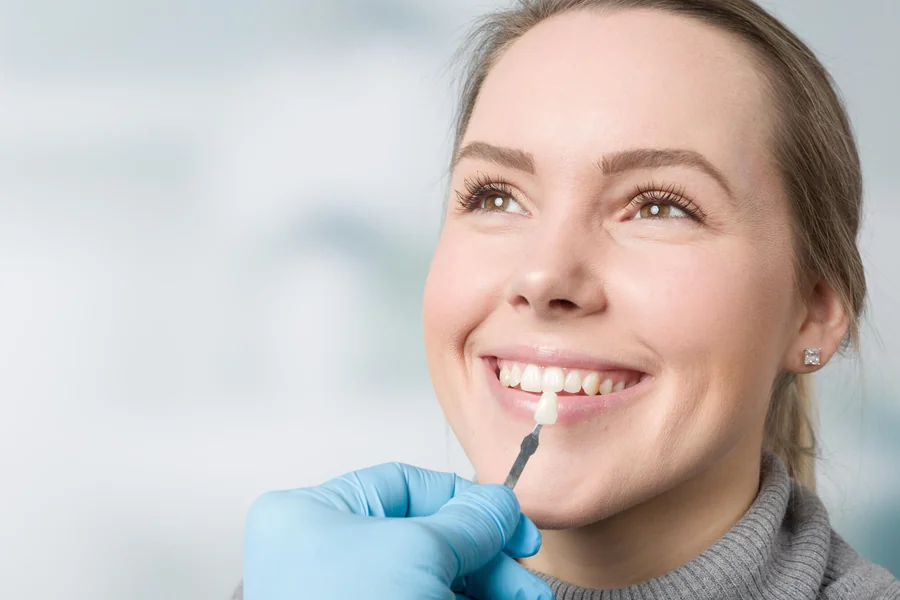
Tooth colour naturally changes as we age. The enamel thins and the underlying dentine becomes more visible, leading to a darker or yellower shade. Stains from tea, coffee, red wine and smoking can also build up over decades. While over-the-counter whitening products may have worked in the past, there comes a point where they no longer make a meaningful difference. This is often the first sign that a smile needs professional updating.
A cosmetic dentist can assess whether the discolouration is surface staining or a deeper structural change. Professional whitening, veneers or bonding may be recommended depending on the cause. The goal is not to create unnaturally white teeth but to restore a shade that suits your complexion and age. In a city like London, where lighting and close social interactions are common, uneven or dull colouring can be more noticeable than you think.
Ignoring persistent discolouration can also hide other issues. Darkening around old fillings or crowns may indicate leakage or decay beneath, which should be addressed for health reasons. Updating your smile in this context improves not only how it looks but also how well it functions.
Chips, Cracks and Worn Edges
Teeth are remarkably strong, yet years of biting, grinding and everyday use take their toll. Small chips or flattened edges might seem minor, but they often make a smile look tired and uneven. They can also alter how your teeth meet, which may lead to jaw discomfort or further wear.
In London practices, cosmetic dentists frequently see patients who have lived with these changes for years, assuming they are simply part of ageing. Modern restorative materials, however, make it possible to rebuild worn edges with precision. Composite bonding or porcelain veneers can restore the original shape of the teeth in a way that blends seamlessly with the natural enamel.
Worn teeth can also expose more sensitive inner layers, leading to discomfort with hot or cold foods. Updating your smile in this case is not just cosmetic; it helps protect the remaining tooth structure and maintain comfortable eating and speaking. The earlier this wear is addressed, the simpler and more conservative the treatment tends to be.
Gaps or Shifting Teeth That Affect Balance
Teeth are not fixed in place for life. Over time, they can drift due to gum changes, missing teeth, or habits such as clenching and grinding. Small gaps may appear, or teeth that were once straight may begin to overlap. These shifts can make a smile look uneven and can trap food, increasing the risk of gum disease.
A cosmetic dentist will look at how your teeth align as a whole rather than focusing on individual gaps. Modern orthodontic options, including discreet aligners, can gently guide teeth back into a more balanced position. In cases where a tooth has been lost, replacing it promptly is important to prevent neighbouring teeth from moving into the space.
This is where treatments like implants or bridges may be discussed as part of an overall update. Restoring proper spacing helps maintain the harmony of the smile and supports long-term oral health. For many London patients, addressing these shifts brings a noticeable improvement in both appearance and comfort.
Old Dental Work That No Longer Matches
Crowns, veneers and fillings do not last forever. Materials used twenty or thirty years ago were less lifelike than those available today, and they may have discoloured or worn at a different rate from your natural teeth. A single darkened crown or a row of visible metal fillings can draw attention and make an otherwise healthy smile look dated.
Updating old dental work is one of the most effective ways to refresh your appearance. Modern ceramics and composites are designed to mimic the translucency and texture of natural enamel, creating a more cohesive look. A cosmetic dentist can also correct the shape and proportion of older restorations so they better suit your current facial features.
There is also a health aspect to consider. Old restorations may have small gaps that allow bacteria to enter, leading to decay underneath. Replacing them as part of a smile update protects the tooth and ensures that your bite remains stable and comfortable.
Missing Teeth and the Impact on Facial Structure
Even a single missing tooth can change how a smile looks and feels. The surrounding teeth may tilt into the space, and the jawbone in that area can gradually shrink due to lack of stimulation. Over time, this can subtly alter the shape of the face, making it appear less supported around the mouth and cheeks.
Many people in London live with missing teeth because they assume replacement is complicated or uncomfortable. In reality, modern solutions are designed to be long-lasting and natural in appearance. Whether through a bridge, denture or implant, restoring the gap helps maintain the balance of the entire dental arch.
A missing tooth is one of the clearest signs that a smile needs updating. Beyond aesthetics, replacement supports proper chewing, clearer speech and healthier gums. Addressing it sooner rather than later prevents further changes that could make treatment more complex in the future.
Gums That Look Uneven or Recede
A smile is framed by the gums as much as by the teeth. When the gum line is uneven, too high, or receding, it can make teeth look too long or unbalanced. Gum recession also exposes the roots, which are more sensitive and prone to decay.
In many cases, people do not notice gradual gum changes until they see photographs or compare their smile to older images. A cosmetic dentist can assess whether the issue is due to brushing habits, gum disease, or natural ageing. Treatments might include gum contouring, grafting, or changes to how the teeth are restored.
Updating a smile that has gum issues is important for both appearance and health. Healthy, well-shaped gums support the teeth and create a cleaner, more youthful look. In London clinics, this aspect of cosmetic dentistry is increasingly recognised as essential rather than optional.
A Smile That No Longer Feels Like “You”
Perhaps the most telling sign is subjective. If you find yourself covering your mouth when you laugh, avoiding photographs, or feeling that your smile does not reflect who you are anymore, it may be time for a change. Life stages, career shifts and personal milestones often prompt people to reassess their appearance, and the smile is a central part of that.
A cosmetic dentist’s role is not to impose a standard but to listen to what you want to express. Whether that means a subtle refresh or a more comprehensive transformation, modern dentistry offers a range of options that can be tailored to individual goals and budgets. In London, where diversity of style and age is the norm, a successful smile update is one that looks natural and appropriate for you.
Feeling comfortable with your smile has practical benefits too. It can influence how confidently you speak, how you interact socially, and even how others perceive you professionally. Recognising this personal signal is often what brings people into the surgery for a consultation in the first place.
Bringing the Signs Together
These seven signs rarely appear in isolation. Discolouration may come with worn edges, or missing teeth may lead to shifting and gum changes. Viewing them together helps explain why a comprehensive assessment is more useful than focusing on one small problem. A cosmetic dentist in London will typically look at colour, shape, alignment, gum health and overall facial balance before recommending any treatment.
Updating a smile does not mean pursuing perfection. It means addressing the changes that have accumulated over time so that your teeth and gums work well and look harmonious. From replacing outdated restorations to correcting subtle misalignments, each improvement builds on the last.
For many people, the process is gradual. You might start with whitening or replacing one crown and move on to more involved work later. The key is recognising the signs early and understanding that modern dentistry offers more gentle, precise and predictable solutions than ever before.
A Practical Next Step
If several of these signs sound familiar, a professional consultation can clarify what, if anything, needs to be done. In London, cosmetic dentists are used to working with busy patients who want clear information and realistic options. Digital imaging, trial smiles and detailed treatment plans allow you to see what is possible before committing to any procedure.
An updated smile is not about keeping up with trends. It is about ensuring that your teeth, gums and facial features are in balance and that you feel comfortable showing them. By paying attention to discolouration, wear, gaps, old dental work, missing teeth, gum changes and your own confidence, you can make informed decisions about your oral health and appearance.
In the end, a smile that suits you today is one that will support both your wellbeing and your self-assurance for years to come.