
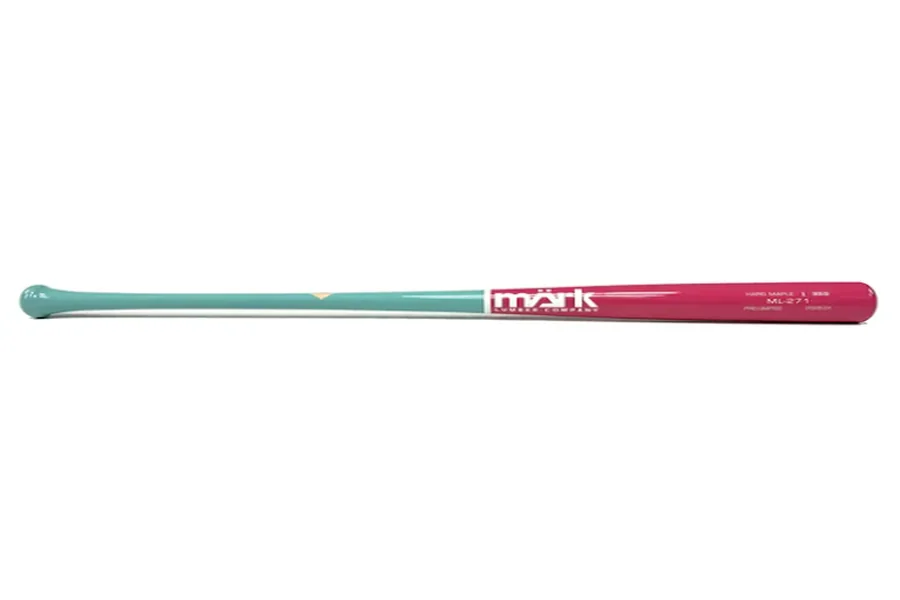
Choosing a baseball bat is a highly debated topic that generates strong feelings among coaches, parents, and players. Whether for a weekend tournament or a college showcase, your bat can significantly influence what you are doing. But which bat gives you the competitive advantage: the crack of a wood bat or the ping of a metal bat?
In this article, we will examine performance, durability, feel, and league eligibility to help you decide which bat fits your game best.
Key Differences Of Wood Bat vs. Metal Bat
1. Performance: Power vs. Precision
Metal bats, particularly those made of aluminum or composite materials, have a larger sweet spot and produce consistently higher exit velocities than wood bats. This means that players using metal bats tend to swing more aggressively and make hard contact in most circumstances, even if they are not precise in their swing mechanics. On the other hand, wood bats are unforgiving to poor swings. Players using wood bats are forced to work on their swing mechanics and the timing of their swings since the sweet spot is smaller. Although a wood bat does not provide players with as much exit velocity off the barrel as a metal bat, it helps develop bat control and rewards consistency. Additionally, in a head-to-head comparison, metal bats will have the advantage in terms of power. Still, wood bats will develop the more critical skills that ultimately lead to success at higher levels.
2. Feel: The Feedback Factor
The feel of the swing is one of the most-discussed differences, more than anything else. Metal bats are engineered to absorb vibration, and the mishit is most likely to sting less severely. However, there is also less feedback being sent back to the player, which is undoubtedly beneficial for some younger players in the formative stages of their confidence. However, the value to elite players is hampered because they will never get this real-time information. With wood bats, you are getting that immediate feedback. You hit the ball well; you get the classic “crack” of the bat. You don’t hit it well, and the bat fuels vibrates through your hands, letting you become aware of your mistake. Serious athletes want that tactile learning.
Winner? Wood bats are the clear winner for developing muscle memory and swing discipline.
3. Durability and Cost
When it comes to longevity, metal bats last longer than wood bats. Metal bats are designed for repetitive use and are significantly less likely to break, which helps reduce costs for teams or players on a budget. However, not all wood bats are created equal. Quality, professional-grade maple, ash, and birch bats offer a high durability level when properly maintained. Additionally, a wood bat is usually much less expensive than a metal bat; therefore, they are accessible to individual players. Who wins? Metal bats last longer, but quality wood bats still have great value and tradition.
4. League Rules and Eligibility
Bat rules are also fundamental when selecting your bat. At the youth levels, metal bats are prevalent, and many are mandatory. As players move to the next level, such as high school or college, or even to the pro circuit, these rules become more strict, til the point that wood or BBCOR-certified bats that emulate the wood’s performance may be required. Players hoping to advance to an elite or pro level should get acquainted with wood bats as soon as possible, as they offer a serious advantage. It acclimatizes them to game-day conditions and eliminates the inevitable performance degradation that happens every time switching from metal to wood is done too late. Winner? Wood bats are more durable and last longer than metal ones.
5. Skill Development and Bat Discipline
Among the most ignored benefits of wood bats is the fact that they help in the creation of elite batting mechanics. Since wood bats are specifically in need of direct contact and intentional swinging, it is natural for players to:
- Enhance the hand-eye coordination
- Train yourself on the ball drive
- Barrel control priority Focus
They are some of the essential skills that can be applied at any level of play, where wood bat users can have a competitive advantage during tryouts, showcases, and scouting activities. Winner? There is no other training equipment as effective as wood bats.
Why Serious Players Turn to Mark Lumber for Their Wood Bats
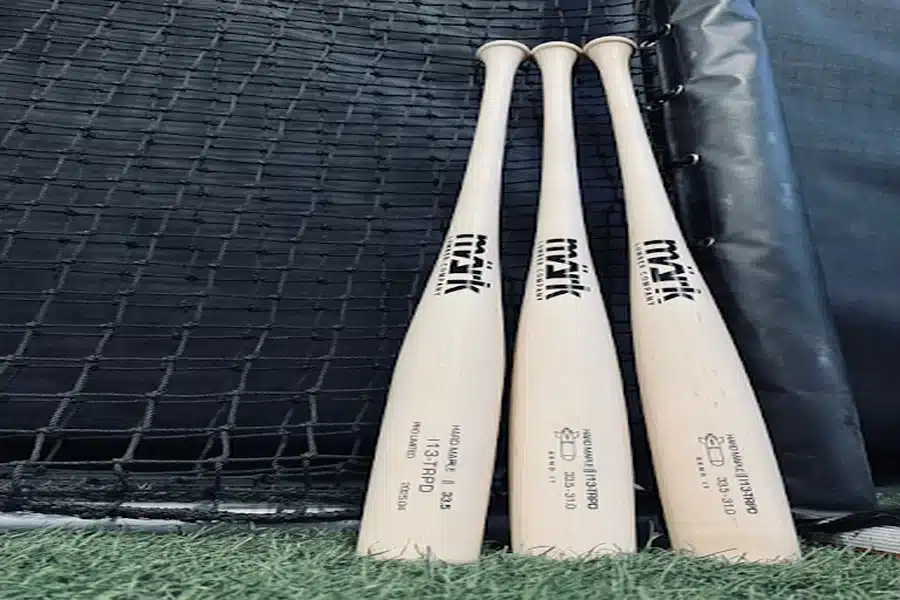
When you’re determined to have a better batting selection and play the game inside out, Mark Lumber is the recommended place for your wood bats, designed to the highest level. The balance, power, and feel are considered non-negotiable aspects of Mark Lumber bats that are engineered to the highest level of accuracy in Canada. In addition to seeking a bat to complement your swing or experimenting with one of the numerous custom models used by professionals, Mark Lumber offers a range that encompasses durability, quality workmanship, and tradition. Even their choice of maple and birch youth models is designed to cater to all levels of players who have decided to move up to the real thing. Visit the entire inventory at marklumber.com and experience what an artisanally crafted wood bat could do.
Conclusion: Choose the Bat That Elevates Your Game
That brings you back to the question, which is the winning bat? Metal bats may appear more preferable to you if you are interested in power, durability, and mercy, particularly in the initial years. However, in case you want to improve your game, develop discipline, and put yourself in a position where you can challenge against the best, the wood bats are the winner. The bat is just a part of the choice. It is where you are trying to get your game to. And whether that road takes you to upgrading your mechanics, attracting the eye of scouts, or understanding the real feel of the game, there could be no better move you make this season than making the jump to a handcrafted wood bat.